Strong legacy giving programs enable nonprofits to thrive even during the tough times and implement transformational projects. This is something that every nonprofit, even the smaller ones should pursue, because every organization has its set of loyal supporters and believers who like to leave a lasting legacy to further your organization’s mission and can build robust legacy giving programs.
Legacy or Planned Giving programs require a long and sustained effort but they are statistically proven to give an excellent return on investment and that’s why every nonprofit should consider investing in building strong legacy giving programs. Strong legacy programs have also shown to increase annual gifts, which is contrary to the popular belief that legacy programs can cannibalize your annual and major gifts.
Also read our blog on Elevating Nonprofit Impact: A Strategic Plan to Increase Major Gifts
We are sharing some steps to get you started on your Legacy Giving programs:
Identifying Potential Donors
Planned Giving will have different qualities than prospects for a single major gift. A very deep and long term engagement with the organization is generally a key factor in donors choosing your organization for Planned Giving. It is important to identify potential donors for Planned Giving and plan your engagement strategy for them.
Now this is not as straightforward as it seems since organizations typically have a large donor base and from that you will need a well-researched list of donors. Here are some key attributes you should consider while segmenting your donors.
Giving History:
Look for donors who have been consistently giving for 4 to 5 years or more. Long term association and giving is a strong indicator of their confidence and affinity for your programs.
Age:
Legacy Gifts are planned closer to retirement age and this is certainly an important factor to consider when segmenting your donors.
Capacity:
This is where it is important to know your donors and it can help you identify their capacity. Information like address in an upscale neighborhood, a senior designation, education, employment and income details will certainly help. Although current income is a good criteria to start with, also look at sources like life insurance, equity, real-estate holdings as Legacy Gift are not necessarily dependent on donor’s current income and also include sources like life insurance, equity, real-estate holdings.
Engagement:
How often these donors participate in your Events, how actively they fundraise on your behalf, do they Volunteer with you or are your regular program beneficiaries. Ability to see this information in one place is a key to knowing the engagement of your donors with your organization.
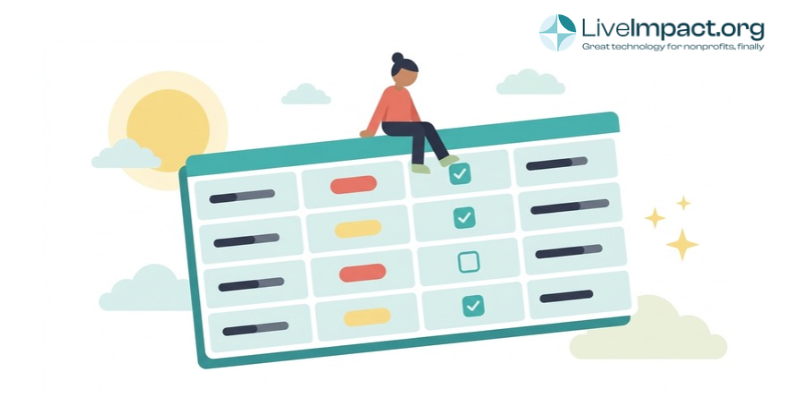
Compiling this data could take months if you do not have a robust and integrated Donor Management System For Nonprofits. LiveImpact’s rich donor profiles, powerful reports and smart grid help you segment your audience, see their giving trends, track communication and engagement for an effective Legacy Giving Program.
Communication
1. Focused Campaign:
Run targeted communication campaigns for your legacy giving prospects. Use means of communication that make the best impact for your target donors, like letters over emails. Strengthen your engagement with the prospects and showcase your impact, future plans and testimonials or messages from living donors. Current donors would be the best to speak on your behalf, and inspire more legacy donors.
2. Keep it Simple:
There is a lot of jargon around Legacy Giving and that can easily confuse donors. It is important to keep your messaging simple and add details as they show interest. Focus on the difference they can make with their legacy gifts.
3. Dedicated Page:
Set-up a dedicated page for legacy giving with a prominent link on your home page for this. You can showcase your testimonials from your current and past legacy donors, key projects that you were able to accomplish with legacy gifts, and specific call to action for prospective donors. Also include resources for prospective donors, their lawyers or estate managers.
4. Training your staff:
Engaging donors for legacy giving requires tactful communication which is different from your regular soliciting. It is a sensitive topic and it’s important to learn how to talk about Legacy Giving without sounding creepy. Invest in training your existing staff if they do not have experience in legacy programs. Staff members involved in annual programs are ideal candidates to start with. Arrange for their training, send them to seminars or engage a consultant who can share best practices, strategies for an effective Legacy Giving Program.
Stewardship
Legacy Giving requires a long and sustained effort and it is extremely important that you build and strengthen your relationships with your donors. Statistics show that loyalty to the organization and trust in its programs is a much stronger factor in successful Legacy Gifts than capacity. And a key to building relationships is to understand what your donors think, constantly learning more and more about their affinities, specifically highlighting relevant programs and outcomes based on their interests.
Legacy Giving programs can sound daunting but a strong focus and a perfect technology platform can help you succeed at it. Learn how LiveImpact can help you identify the right donors, track and increase engagement and securing Legacy Gifts.